
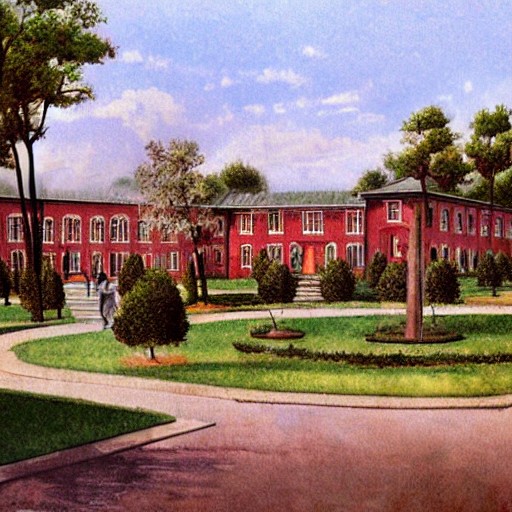
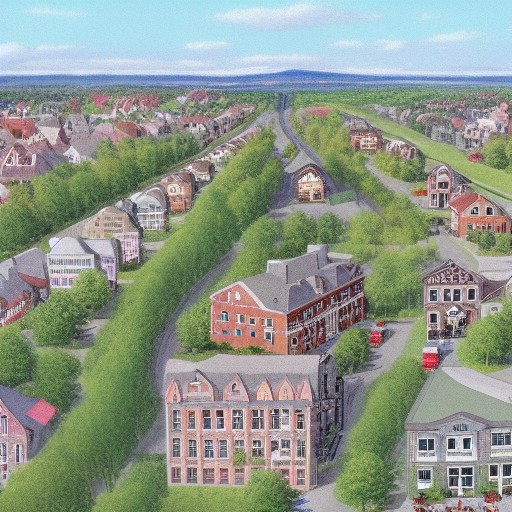
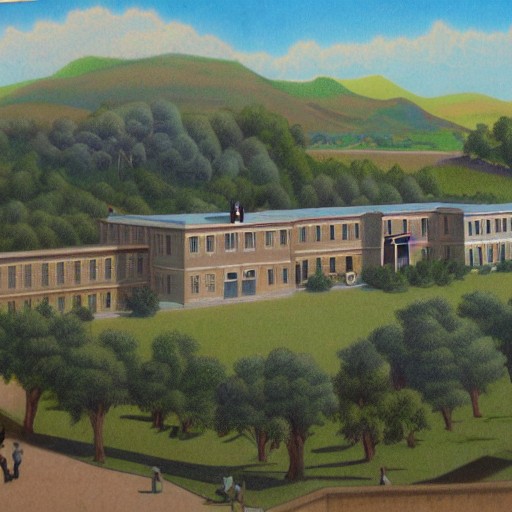
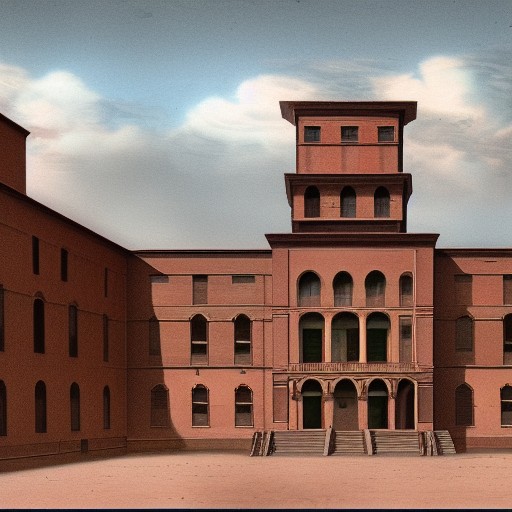
The examples are based on a typical suburban town that was able to double its population by improving its school system. The community was in decline following multiple consolidation plans that weakened the local neighborhoods and created a failing mega-school. To fix the problem, three new neighborhood elementary schools were built, along with a new middle school. The mega-school was converted into a town square, with a high school campus, apartments, retail, and community uses. New opportunities opened up, and the town began to fill in. There was economic prosperity, social prosperity, and aesthetic prosperity. Residents subdivided their land to take advantage of rising property values. They built new homes that improved the look of the neighborhood. They added sidewalks, busses, trails, parks, and other amenities.














 Rules For Schools