
School Design

Adapted Architecture looks like it grew out of the ground. It satisfies functional requirements, and it fits in with its surroundings.
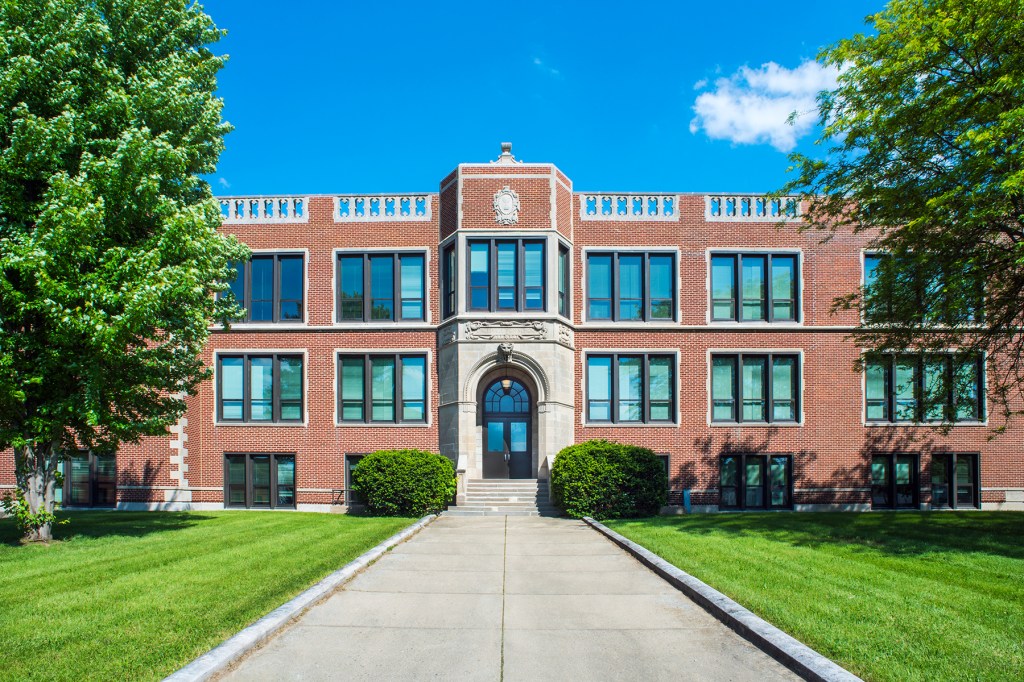
Regional Style
School buildings should reflect the local style. They should not be quirky glass boxes, or cheap-looking like a 1960’s strip mall.
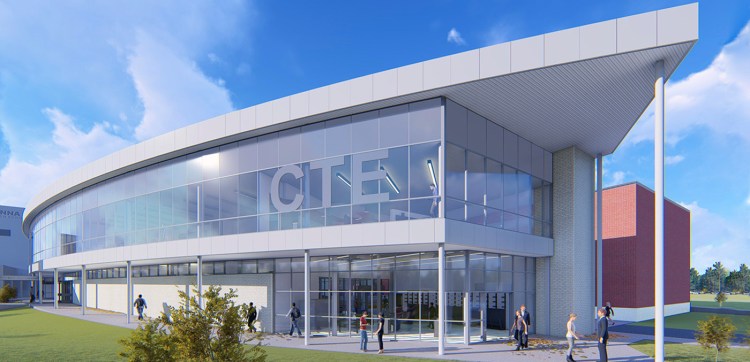


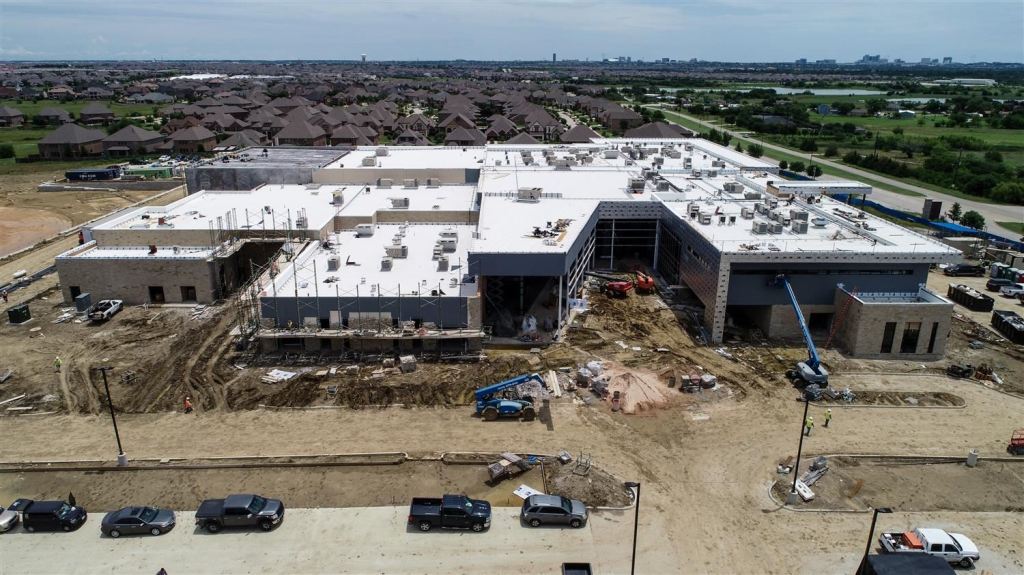
Building Size
We should position school buildings to form outdoor rooms. Sprawling schools create wasted leftover space. Large middle schools and high schools should have courtyards, gardens, and playing fields. They can be a campus of buildings with covered walkways, or a single building, as long as there are connections through the building.


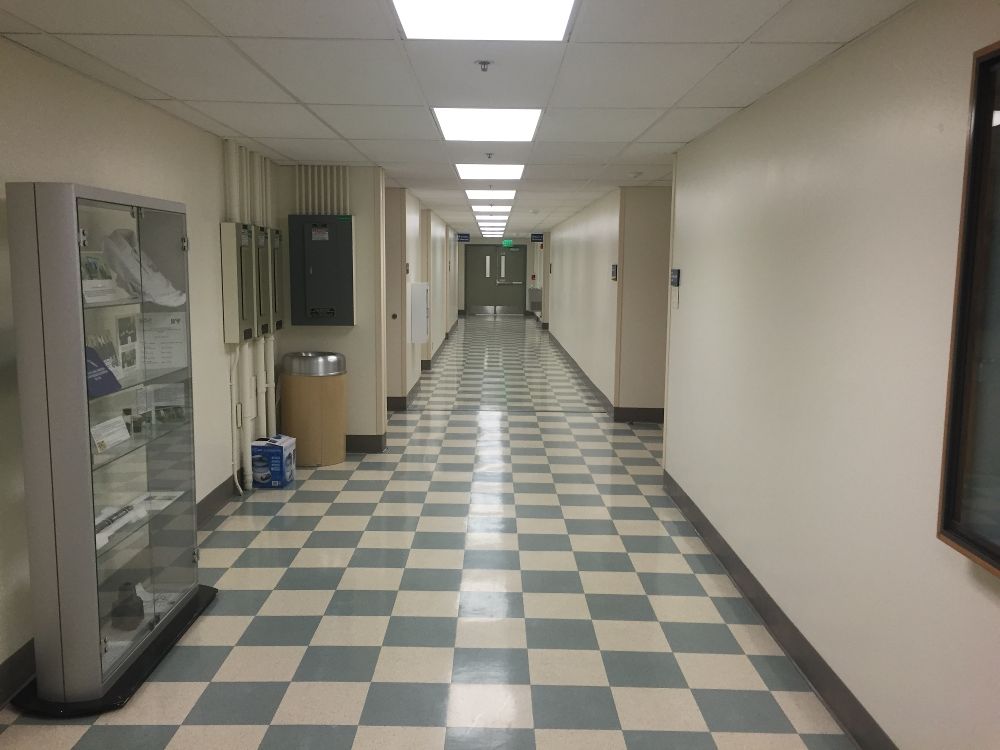
Learning Corridors
The spaces between classrooms should be part of the learning environment. They should be rooms of natural light, with high ceilings, and furniture. They should be well-defined spaces, not like the high-tech lobbies that were popular in the 2000’s, which have an intimidating scale.

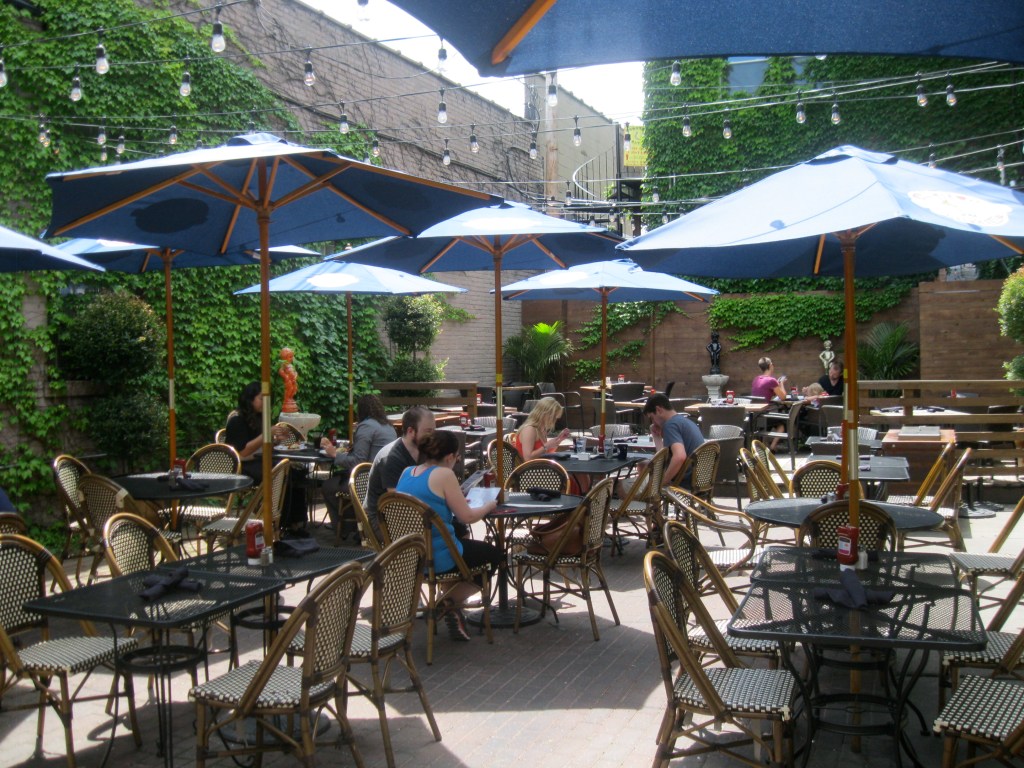
Flexible Dining
Cafeterias should be broken down into smaller, more flexible spaces. Cafeteria tables require that everyone shift down in order to accommodate another person, whereas light-weight tables and chairs can be arranged according to what is needed. Students can eat at the café, or take food back to their “home base”. Outdoor dining doesn’t feel restrictive, even with a lot of students.
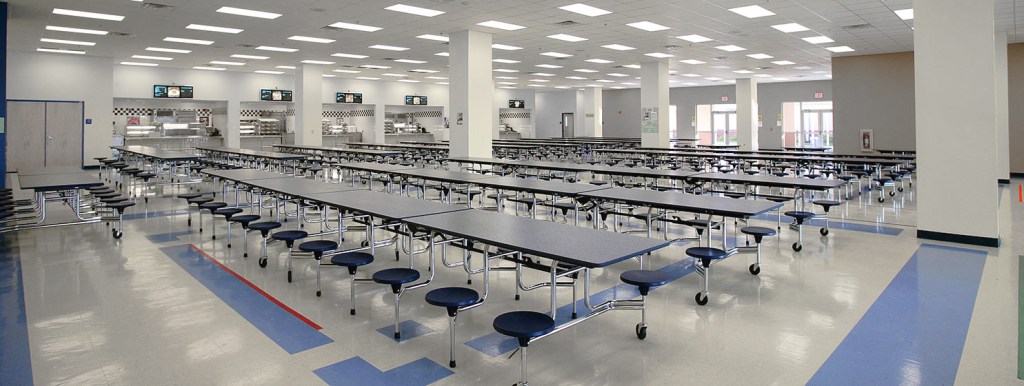

Natural Furniture
Furniture should be natural, and comfortable. It should be assembled over time, like in a household. Too much uniformity is disconcerting.
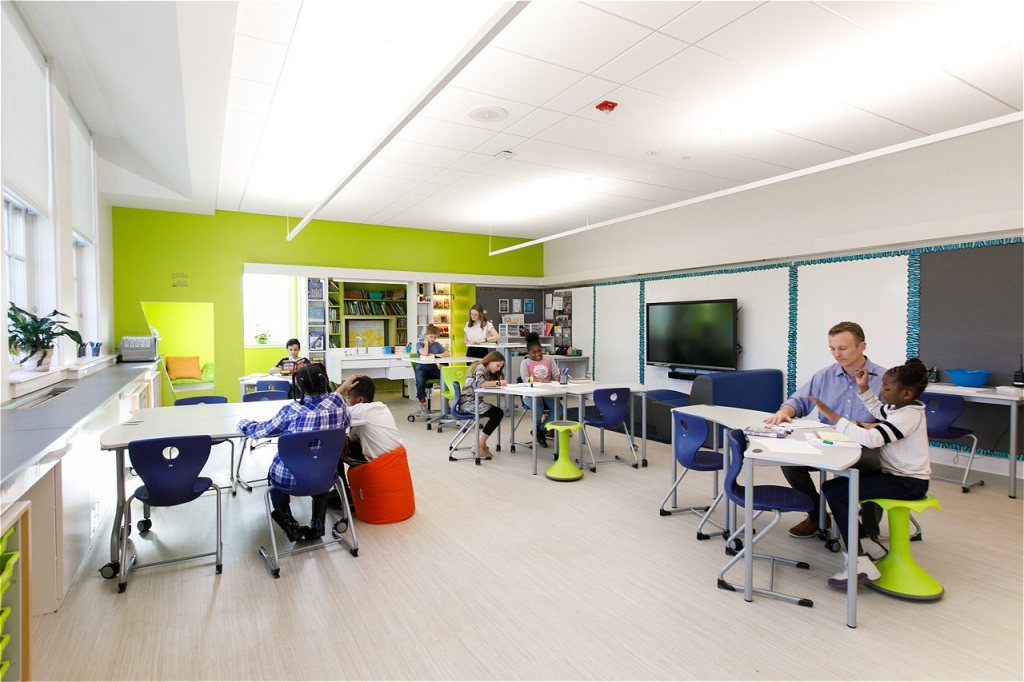

Image Credits: Google Images. Use file name to source.
 Rules For Schools